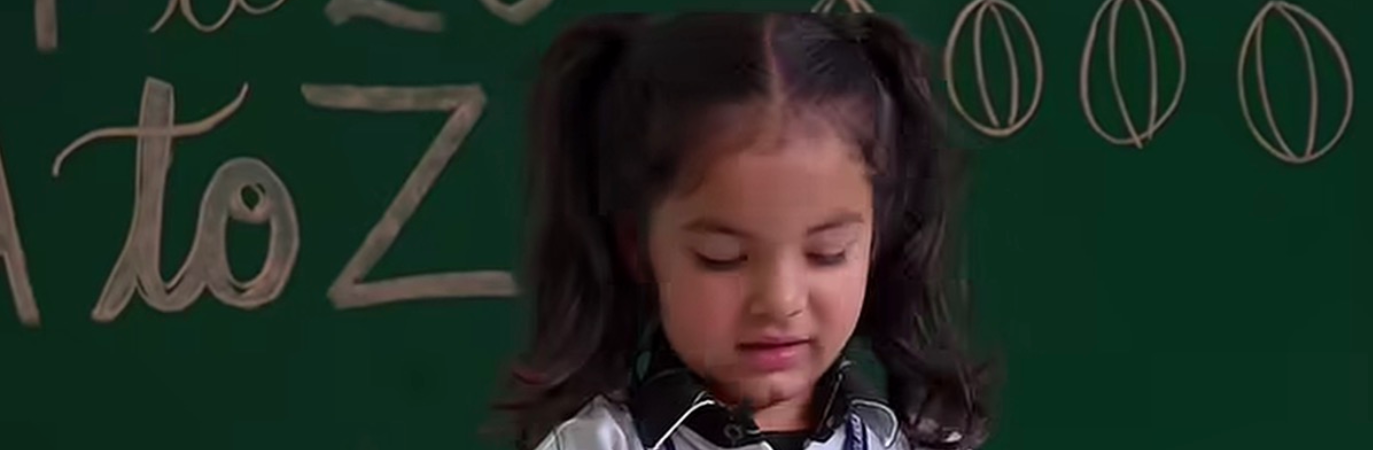
Academic Excellence at our school is a journey that transcends marks, fostering holistic development rooted in CBSE norms and the National Education Policy (NEP) 2020. As of 2026, we have fully embraced the 5+3+3+4 structural rollout, ensuring our curriculum evolves alongside your child’s cognitive milestones—from play-based foundations to deep, multidisciplinary secondary learning.
Our heart-centered approach integrates critical thinking, creativity, and digital literacy through immersive, experiential learning. In line with latest 2026 mandates, we have woven mandatory Skill Education into the middle school fabric, dedicating over 110 hours annually to hands-on projects in domains like AI, coding, and design thinking.
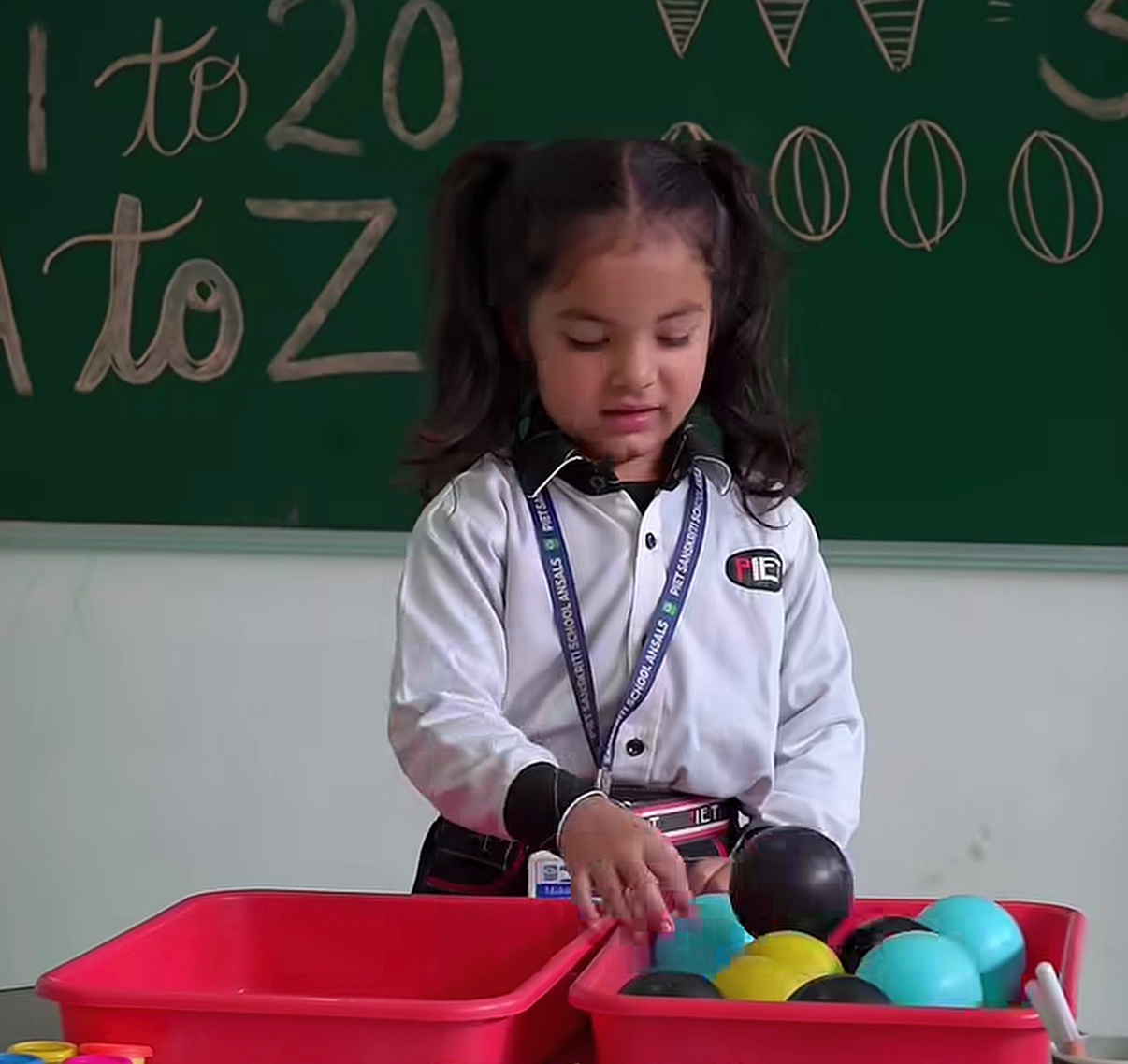
Key features of our current 2026 academic framework include:
We provide the CURIO curriculum since it is organised and especially created to gently nurture our children. It enhances their innate abilities by satisfying their drive to learn and ponder. The challenges and goals of each activity assist us to keep pupils interested in their studies. The information is helpful in completing the work successfully.
Academic excellence as well as the development of communication, organisational, and analytical skills are taught to students. Every year, curriculum is updated to stay current with changes in the CBSE syllabus and modern technology. Every effort is made to ensure that the pupils learn how to speak and write English effectively.
In alignment with the latest CBSE and NEP 2020 mandates for 2026, our assessment framework prioritizes personal growth over competitive rankings. Every student receives a comprehensive Holistic Progress Card (HPC), which provides a 360-degree view of their academic journey, skill acquisition, and socio-emotional development.
Our evaluation process is rooted in Continuous and Comprehensive Evaluation (CCE). Rather than relying on high-stakes, term-end examinations, final grades are derived from consistent performance throughout the academic year. This approach encourages steady effort and rewards the learning process itself.
To foster a healthy and supportive learning environment, class ranks are not declared. We believe every child’s potential is unique; therefore, achievements are recognized on an individual merit basis. This shift from peer-to-peer competition to self-improvement motivates students to focus on mastering competencies and building confidence for the future
This detailed reporting system ensures that parents remain active partners in their child’s progress through regular, data-driven feedback sessions, ensuring no learner is left behind.
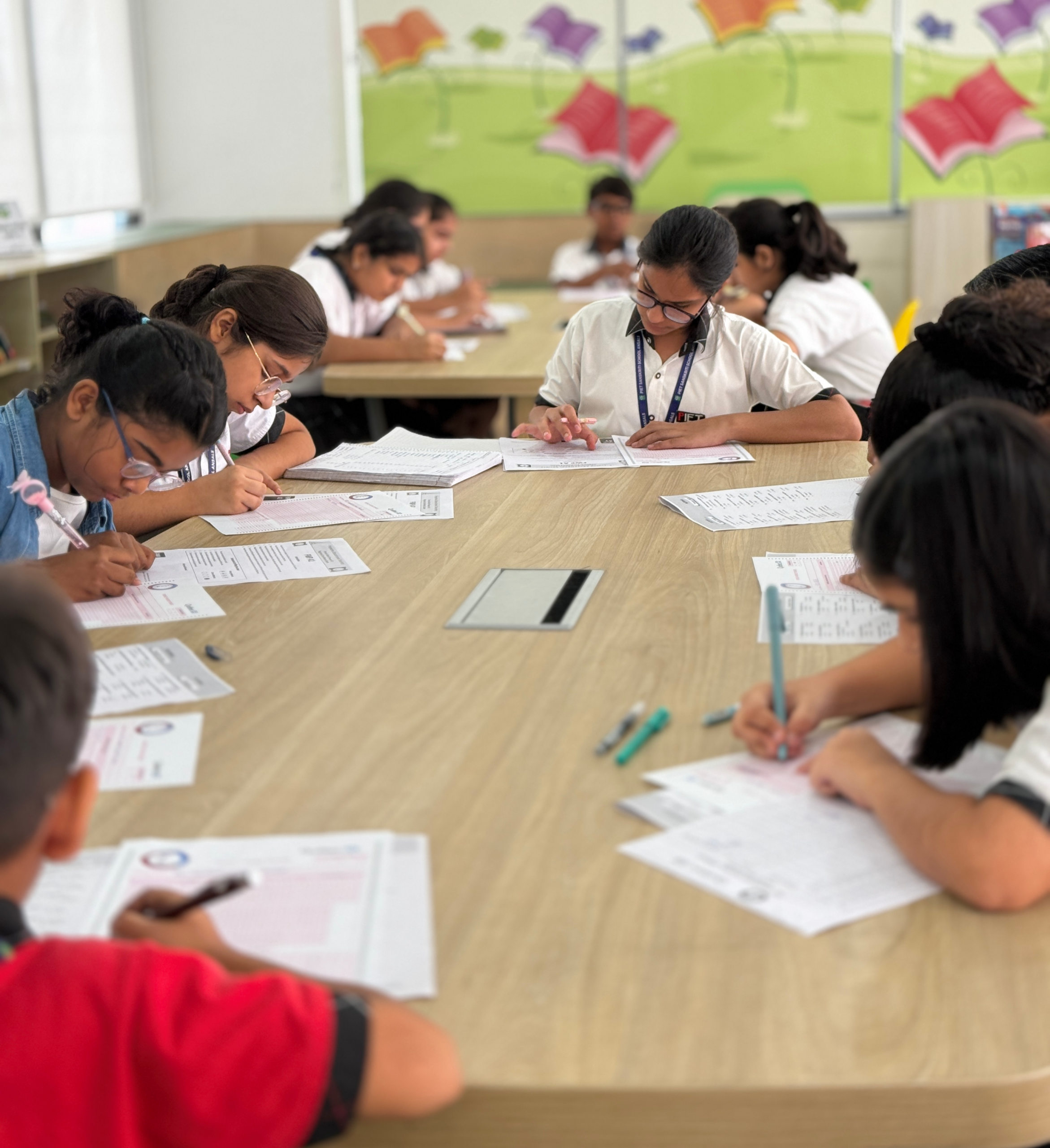
Our Continuous and Comprehensive Evaluation (CCE) framework for the primary wing (Classes I to V) is meticulously designed to align with CBSE’s 2026 assessment guidelines and NEP 2020 mandates. We prioritize a stress-free, consistent evaluation process that captures the true potential of every learner.
To ensure consistent academic growth, the school conducts a structured series of Monthly Review Tests (Periodics) organized into four distinct assessment cycles throughout the academic year.
In line with the Holistic Progress Card (HPC) model, student performance is not limited to written tests. Our educators employ a diverse range of Formative Assessment tools to monitor development:
Aligned with CBSE mandates and NEP 2020 for the 2025–2026 session, our academic framework prioritizes competency-based growth and emotional well-being
Our dedicated Counselling Cell provides a nurturing ecosystem for social-emotional development. Following CBSE’s Wellness Guidelines, we offer:
In alignment with CBSE’s 2026 Wellness Manual and Education 4.0, our school provides a robust support ecosystem focused on the academic, emotional, and professional growth of every learner.
Our counsellors serve as a vital bridge between students, parents, and educators. This two-way dialogue ensures a unified support network where every child’s unique journey is understood, allowing them to navigate challenges with confidence and success.
For classes VI onwards NCERT Syllabus and CBSE prescribed assessment structure, examination pattern and report cards structure are followed.
The assessment structure and examination for classes VI TO VIII comprise of two terms Term-1(100 marks) 20 marks Periodic Assessment + 80 marks for half yearly Exam and Term -2(100 marks) 20 marks Periodic Assessment + 80 marks for yearly exam.
The following standards are carefully followed for advancement to the next class:
 +91 99853 00038


 Admission
 Pay Fee